The fascinating journey of gambling A historical perspective
The history of gambling dates back thousands of years, with evidence suggesting that early humans engaged in games of chance using rudimentary tools. Archaeological findings, such as dice made from animal bones, indicate that ancient civilizations in China, Mesopotamia, and Egypt participated in gambling activities. These primitive forms of betting were often intertwined with religious rituals or served as a means to make decisions in uncertain situations, revealing humanity’s intrinsic attraction to risk and chance. Today, you can experience this excitement firsthand with aviator, one of the most thrilling crash games available.
As societies evolved, so did the complexity of gambling. By the time of the Roman Empire, organized betting had become a popular pastime among citizens. Romans utilized various games, from dice to betting on gladiatorial contests, to entertain themselves. This period also saw the establishment of laws regulating gambling, demonstrating its significance in social life. The Romans’ embrace of chance paved the way for modern betting practices, illustrating how deeply ingrained gambling is in human culture.
The introduction of printed cards in the 15th century marked a transformative period for gambling. Originating in China and spreading to Europe, card games quickly became popular among all social classes. They spawned various games that we still recognize today, such as poker and blackjack. This innovation added a new dimension to gambling, enabling complex strategies and deeper social interactions, which further fueled interest and participation across different cultures.
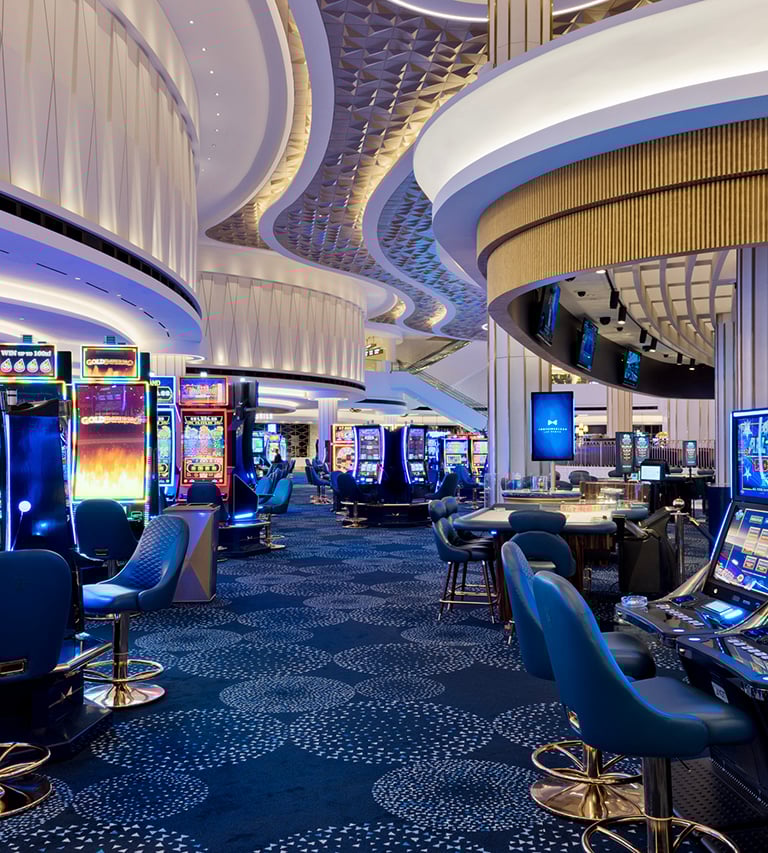
The modern casino as we know it began to take shape in the 17th century, particularly in Italy. The establishment of the first official gambling houses, known as “ridotti,” catered to the nobility and wealthy citizens, reflecting the exclusivity associated with early gambling establishments. These venues provided not only games but also luxurious experiences, blending gambling with social events. This trend spread across Europe, leading to the development of more formalized casinos throughout the continent.
The 19th century heralded a new era for casinos, especially with the establishment of Casino Baden-Baden in Germany and the legendary Monte Carlo Casino in Monaco. These establishments symbolized the glamour and sophistication of gambling, attracting affluent visitors from around the world. The growth of railways made traveling to these casinos more accessible, turning gambling into a fashionable leisure activity. This period marked the rise of gambling as a mainstream form of entertainment, broadening its appeal beyond the elite.
As the 20th century rolled in, the landscape of gambling continued to evolve dramatically. The introduction of Las Vegas as a gambling hub in the United States during the 1940s revolutionized the industry. Las Vegas combined luxurious hotels, extravagant shows, and a vibrant nightlife, creating a unique entertainment destination centered around gambling. This transformation of casinos into multi-faceted entertainment complexes established a model that continues to thrive today, influencing the global perception of gambling.
The advent of technology has profoundly impacted gambling, particularly in the late 20th and early 21st centuries. The introduction of online gambling platforms in the 1990s revolutionized how people engaged with betting. With a few clicks, individuals could access a multitude of games from the comfort of their homes, dismantling geographical barriers and expanding the audience for gambling. This digital shift has made gambling more accessible, but it has also sparked debates around regulation and responsible gaming.
The integration of mobile technology further propelled the gambling industry into a new era. Mobile apps enable users to gamble anytime and anywhere, catering to a generation that values convenience and instant gratification. This shift has led to an explosion of mobile casinos, offering diverse games ranging from traditional poker to innovative crash games. The rapid growth of mobile gambling highlights a significant shift in consumer behavior, altering how operators design their platforms and marketing strategies.
Emerging technologies like virtual reality (VR) and blockchain are set to revolutionize the gambling experience even further. VR can create immersive casino environments, making players feel as if they are physically present in a casino while remaining in their homes. Meanwhile, blockchain technology offers increased transparency and security, addressing concerns about fairness in online gaming. These innovations signal a future where technology continues to redefine the gambling landscape, enhancing player experiences while ensuring a responsible approach to gaming.
Gambling has long been a subject of debate regarding its social implications. On one hand, it serves as a source of entertainment and can contribute significantly to local economies through taxes and job creation. Many jurisdictions rely on casinos as vital sources of revenue, funding public services such as education and infrastructure. The economic benefits of gambling have driven governments to promote its growth, often overlooking the potential social costs associated with addiction and gambling-related issues.
On the other hand, gambling can lead to various societal challenges. The rise of problem gambling has prompted many countries to implement strict regulations and support systems to mitigate its impact. Public awareness campaigns and counseling services have become essential components of responsible gambling initiatives. Understanding the balance between economic benefits and social responsibility is crucial for sustainable gambling practices, as stakeholders work to create environments that promote healthy engagement with gaming.
The global perception of gambling is changing as well, influenced by cultural attitudes, legal frameworks, and technological advancements. In some regions, gambling is embraced as a legitimate form of entertainment, while in others, it remains stigmatized. As more countries explore options for legalizing and regulating gambling, the conversation around its societal implications continues to evolve. Navigating this complex landscape requires ongoing dialogue and collaboration among industry leaders, policymakers, and communities.

The future of gambling is poised for continued growth, driven by ongoing technological advancements and changing consumer preferences. As online and mobile gaming gains popularity, the traditional casino model must adapt to meet the evolving demands of players. Expect to see more hybrid models, where physical casinos integrate digital experiences, creating seamless transitions between online and in-person gambling. This adaptability will be crucial for casinos to remain competitive in a saturated market.
Moreover, as new demographics engage in gambling, particularly younger generations, operators must prioritize responsible gaming measures. The focus will likely shift toward creating environments that promote safe and responsible gambling practices while maintaining an enjoyable experience. Education and awareness initiatives will play a vital role in ensuring that the thrill of gambling does not come at the cost of social well-being.
In summary, the fascinating journey of gambling reflects the complexities of human nature, societal evolution, and technological progress. As the landscape continues to change, players and operators alike will need to navigate new challenges and opportunities, shaping the future of this age-old pastime. The ongoing dialogue about the balance between enjoyment and responsibility will define how gambling is perceived and integrated into modern culture.