Understanding the psychological triggers that drive gambling behavior in casinos
One of the primary psychological triggers that drive gambling behavior in casinos is the allure of instant gratification. Gamblers often experience a rush of excitement and satisfaction from winning, even if the odds are against them. This immediate reward system can activate the brain’s pleasure centers, releasing dopamine and creating a cycle where individuals crave further engagement. This craving can lead to repeated visits to the casino, as players chase the high of their last win. Players can also indulge in a wild royal online casino experience that enhances their pursuit of gratification.
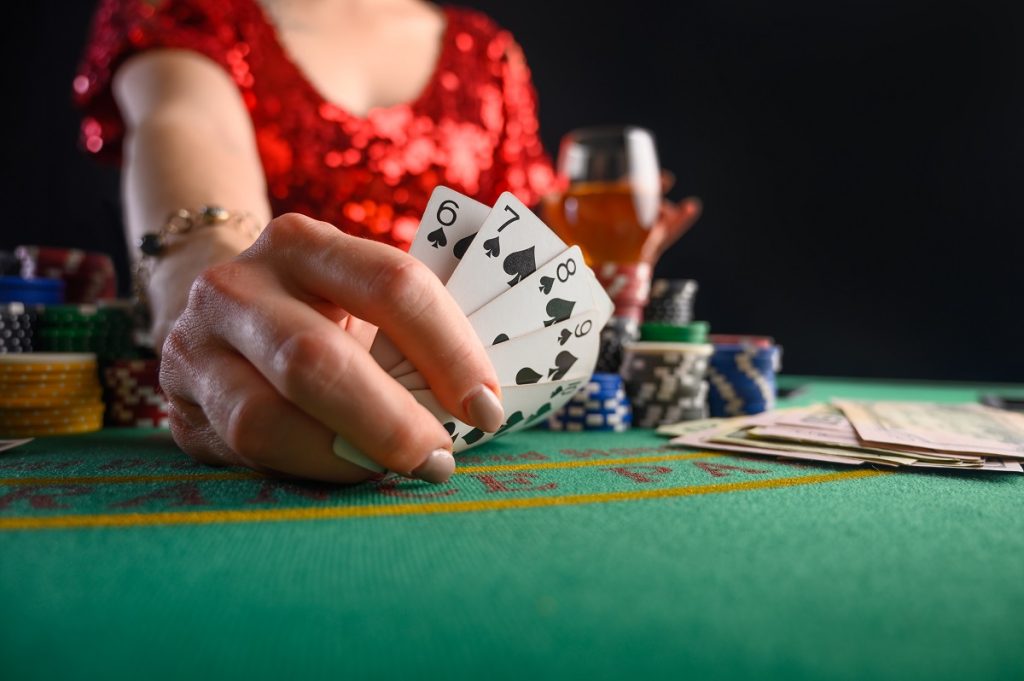
Moreover, the design of casino environments plays a crucial role in enhancing this trigger. Bright lights, engaging sounds, and alluring visuals create a stimulating atmosphere that further intensifies the urge to gamble. The use of technology, such as interactive slot machines and engaging table games, is specifically tailored to prolong the experience of pleasure, making it challenging for players to leave. This immersive environment can lead to extended gambling sessions and a heightened sense of euphoria.
Additionally, the unpredictability of gambling outcomes feeds into this desire for instant gratification. Players often believe they can beat the odds, which reinforces the behavior. This belief can lead to a phenomenon known as the ‘gambler’s fallacy,’ where individuals think their chances of winning are better than they truly are. This skewed perception can propel players into a cycle of gambling that may become hard to break, as they continuously seek that quick win.
Social influence is another critical factor that affects gambling behavior in casinos. Peer pressure can drive individuals to gamble, especially in environments where gambling is normalized or celebrated. Social settings, such as casinos or gambling parties, create an atmosphere that encourages participation. When individuals see others winning, it can enhance their desire to join in, believing they too can experience similar success.
Furthermore, social interactions within the casino can contribute to a sense of belonging. Engaging with others, whether through shared experiences at the gaming tables or casual conversations with fellow gamblers, fosters a community feeling. This camaraderie can create a compelling reason for individuals to return to casinos, not just for the gambling itself, but for the social connections they forge while there. Over time, this social reinforcement solidifies gambling as a part of their identity.
Online platforms, like those offering virtual casinos, have also tapped into this social influence by incorporating chat features and multiplayer games. This virtual engagement mirrors the communal experience of physical casinos, enhancing the psychological triggers associated with social gambling. Players are more likely to continue engaging in these environments due to the social bonds they form, even if the outcomes do not align with their expectations.
Many individuals turn to gambling as a form of escapism, using it to cope with stress, anxiety, or other emotional challenges. Casinos offer a temporary escape from everyday life, allowing players to immerse themselves in a different reality. This distraction can be particularly appealing for those experiencing emotional turmoil, providing them with a way to disconnect from their problems and focus on the thrill of the game.
The excitement of gambling can also serve as a method for emotional regulation. Individuals may use gaming as a means to manage their feelings, seeking the highs of winning or the distraction of play to mitigate feelings of sadness, anger, or loneliness. This tendency can create a cyclical pattern where individuals continue to gamble, hoping to recapture the positive emotional state associated with winning, even if it leads to financial loss.
However, relying on gambling as a coping mechanism can have detrimental consequences. As individuals become more dependent on this form of escapism, they may neglect healthier strategies for emotional regulation and stress management. This reliance can lead to problematic gambling behaviors, where individuals prioritize gaming over responsibilities, relationships, and overall well-being, ultimately causing a cascade of negative effects in their lives.
The belief in personal control and skill plays a significant role in driving gambling behavior. Many gamblers operate under the illusion that they can influence the outcomes of their games through strategy or skill, particularly in games like poker or blackjack. This misconception can lead individuals to gamble more frequently, believing they have a higher chance of winning than they actually do.
This psychological trigger can be particularly potent in environments like casinos, where players are encouraged to make decisions that feel impactful, even in games of chance. For example, players often feel empowered when they choose to increase their bets or change strategies during gameplay, reinforcing their belief in control. This can result in players committing more time and money, hoping to validate their belief in their own skills.
Moreover, the presence of near-miss outcomes further fuels the illusion of control. When players lose but come close to winning, they may interpret these moments as a sign that they are on the verge of success. This perception encourages continued engagement, as they chase the belief that they are just one step away from a significant win, ultimately exacerbating their gambling behavior.
:max_bytes(150000):strip_icc()/GettyImages-108359653-57156e533df78c3fa2286c42.jpg)
At Wild Royal Casino, understanding the psychological triggers that drive gambling behavior is integral to creating a rewarding experience for players. This platform prioritizes not just the thrill of gaming but also fosters a responsible environment where users can enjoy over 500 premium slot titles and live dealer games. By offering engaging and immersive experiences, Wild Royal aims to harness these triggers in a manner that promotes both enjoyment and responsible gaming.
The casino’s dedication to fair gameplay and player security ensures that individuals can engage in their favorite games without compromising their well-being. With exclusive bonuses and personalized promotions, Wild Royal Casino aligns its offerings with players’ psychological desires, providing incentives that enhance the gaming experience while remaining mindful of responsible gambling practices.
Ultimately, Wild Royal Casino’s commitment to its players ensures that they can enjoy the excitement of gambling while being aware of the psychological factors that influence their behavior. This balance allows for a thrilling yet safe gambling experience, empowering players to make informed decisions as they explore the vast array of gaming options available to them.